Categories
University News

Honoring Jutta von Buchholtz


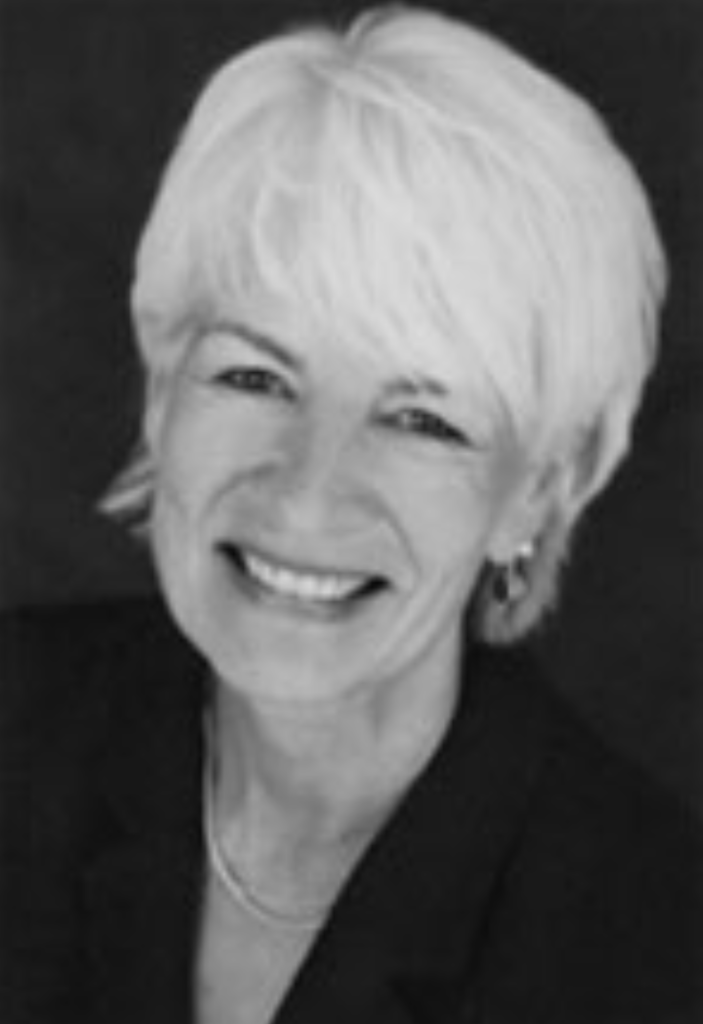
We want to remember our friend and advisory board member who recently passed. She provided so many engaging lectures, workshops and ideas to our society. She was a native of Germany and came to the United States in the 1960s. Jutta von Buchholtz an L.P.C., received her Ph.D. in Medieval Literature from Vanderbilt, TN; and her Diploma as a Jungian Analyst from the C.G. Jung Institute, Zürich. She was a senior analyst for the IRSJA Memphis/Atlanta and New Orleans seminars. She was especially passionate about myths and fairy tales and how they affected our psyches. We encourage you to leave your memories of her, condolences and thoughts in the comments below. Jutta will be greatly missed by all of us at the Atlanta Jung Society.

Categories
University News

The Inner Work of Age: Shifting from Role to Soul

Listen To Podcast Here

Dr. Connie Zweig, Ph.D., retired Jungian-psychotherapist and author, joins us to discuss her new book, The Inner Work of Age. She extends her well-known work on shadow into midlife and beyond and provides a map for uncovering obstacles to aging consciously. The transition from Hero to Elder, or role to soul, begins with releasing the ego’s identification with doing and reorienting toward the transpersonal center that Jung called the Self.

As we let go of outworn personas and roles, harvest the wisdom of our long lives, and break free of unconscious shadows, the Elder’s gift of authenticity naturally emerges. In this way, individuation, the deeper dimension of age, can be expanded along with our expanding longevity. This renewed purpose is the hidden promise of late-life.

Here’s the dream we analyze:

“I was sitting at the front of a moving bus that was full of a friend’s family after a ceremony, maybe a wedding or a funeral. I was sitting facing backward so I could be part of the congregation. They announced they would shortly bring out my friend’s grandmother’s exhumed body for the dancing ritual. I wasn’t sure I’d have the guts to take part but wanted to wait until I saw her grandmother to make my decision. She was brought out in a sheer black veil, through which I could see her body had shriveled to a tiny frame, almost a skeleton but preserved as if she had been embalmed. Her family took turns joyously and carefully waltzing down the aisle of the bus with her, and everyone gazed upon the ritual with loving delight. I decided I would just watch this time. My friend was gently handed her grandmother’s corpse whilst sitting in her seat behind me. She held her in her lap and we had a conversation, during which my friend’s face and her grandmother’s became indistinguishable. My friend appeared both living and dead at the same time, her face hollowed and decomposed but animated and lively.”

Please listen to this podcast from our January speaker and leave your comments and ideas on this subject matter below.

Categories
University News

Your Winter Landscape

Elizabeth Valera, M.Div., LPC, CT


As I prepare for an upcoming expressive arts group on the theme of Winter, I have been contemplating various archetypal representations of Winter.


As part of my ‘research’ I rewatched The Rise of the Guardians in which Jack Frost is depicted as a playful and mischievous sprite.  It’s such a great reminder about the power of fun and play to overcome fear.  Personally, the movie brought to my mind the excitement of those rare snow days growing up in the Atlanta area.


When I moved up to Boston for graduate school, I got a different taste of Winter. I suppose it was Old Man Winter, more dangerous and severe.  Preparations had to be made and thankfully a kind mentor helped me to find a real Winter coat.  Although it was much colder and the sun went down even earlier, the city was prepared for snow and ice—I simply had to learn to step over the big drifts to get onto the city bus.   On the other hand, while “snowpocalypse” here in Atlanta was laughable to those from colder climates, it was truly difficult and dangerous for those stuck in the ice and unable to get home.  Winter is a trickster, I think.


Of course, it is a warm Winter, right now. Which brings up concerns related to climate change and the loss of ecosystems that depend on cold temperatures. If we humans were to slow down and ‘hibernate’ even just for the Winter months would some of the planetary damage be reversed?


I am also interested in other depictions of Winter. For example, The Snow Queen, The Matchstick Girl, Yuki Onna and even Hestia, Goddess of the Hearth: so necessary for cooking throughout the year, but especially in the Winter.


Maybe I am most drawn to the Snow Queen. There is something that rings so true about those dangerous shards of mirror that can pierce our hearts and eyes causing a distorted and hopeless view of life, leaving us more susceptible to becoming frozen in the Snow Queen’s palace.


I know there are so many tales and archetypes related to Winter.


I’m curious, which figures inhabit your Winter landscape?


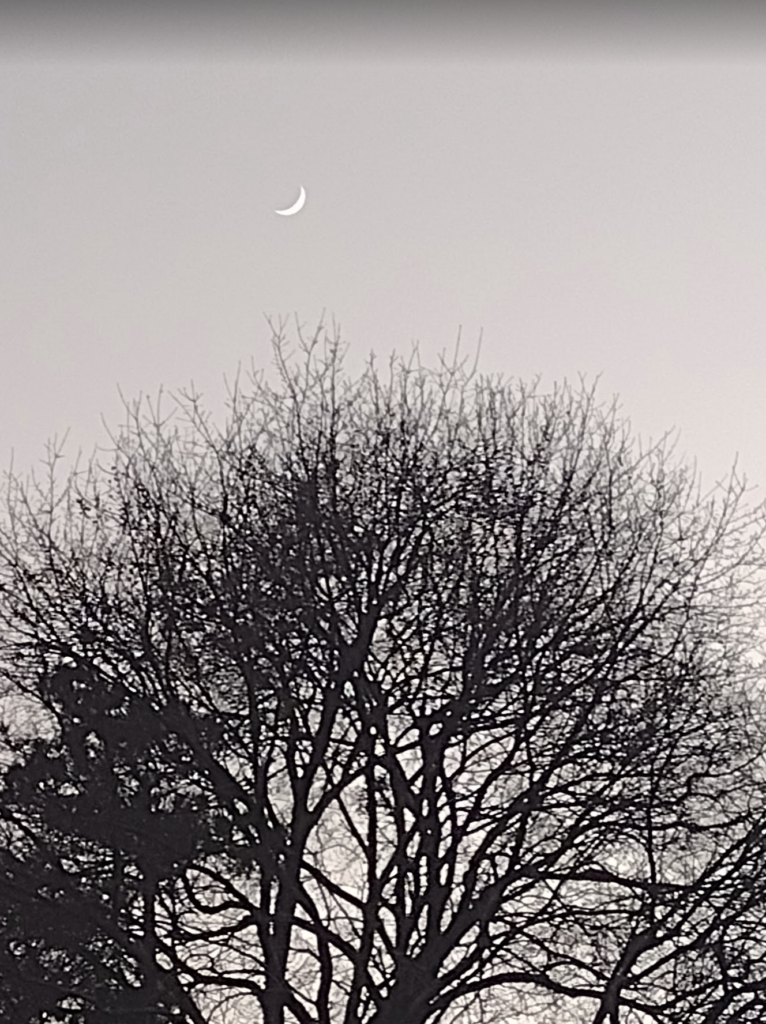
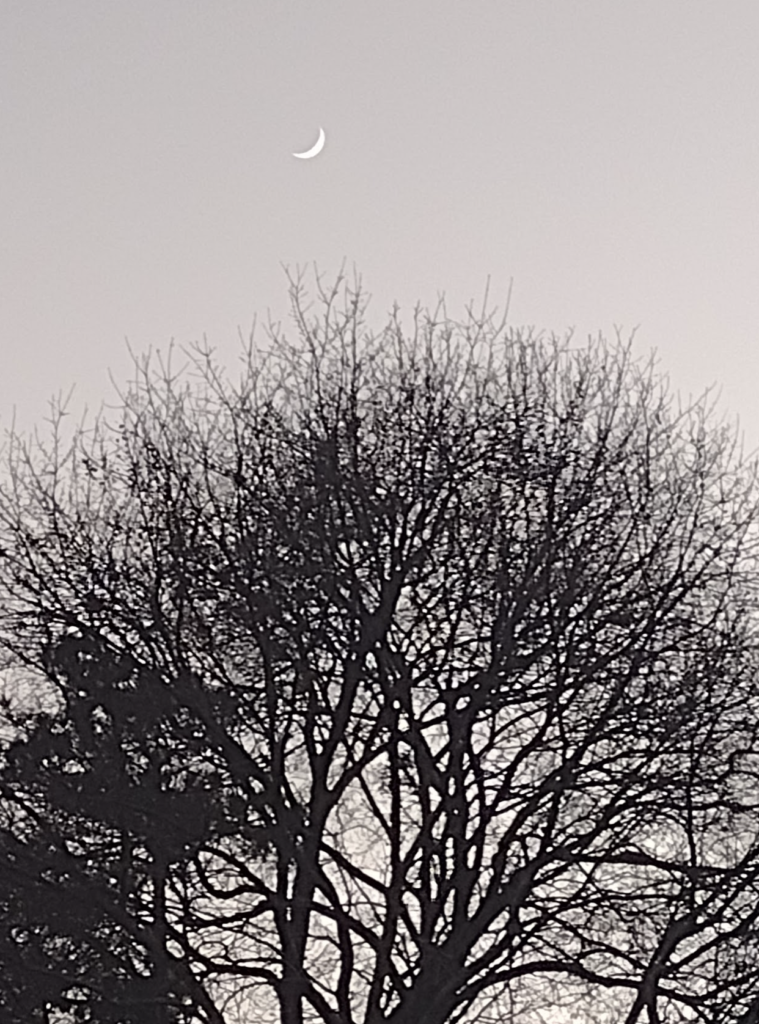
Photo Response Submission by Deb Herberger

Title: Crescent Moon Rising Over Bare Trees

Categories
University News

Violence in Fairy Tales by Donald Kalsched, Ph.D.

Dr. Kalsched’s lecture with us revolved around the theme written below. Please share your thoughts on the ATL Jung Society’s most recent lecture in the comment section on this page.

Today, the violence in Fairy Tales seems mild — even quaint — in comparison with a profusion of terrifying films, horror videos on TV, video games that specialize in killing, and the mind-numbing violence of actual mass-killings in our schools, synagogues and churches. It is as though violence has jumped the tracks — breaking free of its origins in human “stories” — and becoming something truly demonic, senseless, meaningless, and traumatic.  We are losing the ability to talk about it.  It has become “speechless horror.”

Categories
University News

We Have Lost Two Great Poets

[fusion_builder_container hundred_percent=”no” equal_height_columns=”no” hide_on_mobile=”small-visibility,medium-visibility,large-visibility” background_position=”center center” background_repeat=”no-repeat” fade=”no” background_parallax=”none” parallax_speed=”0.3″ video_aspect_ratio=”16:9″ video_loop=”yes” video_mute=”yes” border_style=”solid” flex_column_spacing=”0px” type=”flex”][fusion_builder_row][fusion_builder_column type=”1_1″ layout=”1_1″ background_position=”left top” background_color=”” border_color=”” border_style=”solid” border_position=”all” spacing=”yes” background_image=”” background_repeat=”no-repeat” padding_top=”” padding_right=”” padding_bottom=”” padding_left=”” margin_top=”0px” margin_bottom=”0px” class=”” id=”” animation_type=”” animation_speed=”0.3″ animation_direction=”left” hide_on_mobile=”small-visibility,medium-visibility,large-visibility” center_content=”no” last=”true” min_height=”” hover_type=”none” link=”” first=”true”][fusion_text fusion_font_variant_text_font=”” fusion_font_family_text_font=”Tahoma,Geneva, sans-serif” line_height=”1″ font_size=”21″]

James Hollis invites us to read a poem written by a good friend of his, Stephen Dunn. Stephen was an American poet and educator who authored twenty-one collections of poetry. He won the Pulitzer Prize for Poetry for his 2001 collection, Different Hours, and received an Academy Award in Literature from the American Academy of Arts and Letters. Stephen was a close friend of Hollis’ for half a century. He died on his 82nd birthday in June.

John and Mary

John and Mary had never met. They were like two humming birds who also had never met.

From a Freshman’s Short Story

They were like gazelles who occupied different grassy plains,

running in different directions, from different lions.

They were like postal clerks, in different zip codes,

with different vacation time,

their bosses adamant and clock-driven.

How could they be together?

They were like two people who couldn’t get together.

John was a Sufi with a love of the dervish,

Mary of course was a Christian with a curfew.

They were like two dolphins in the immensity

of the Atlantic, one playful,

the other stuck in a tuna net —

two absolutely different childhoods!

There was simply no hope for them.

They would never speak in person.

When they ran across that windswept field

toward each other, they were like two frightened trains,

one having left Seattle at 6:36 p.m.

at an unknown speed, the other delayed

in Topeka for repairs.

The math indicated that they’d embrace

in another world, if at all, like parallel lines.

Or merely appear kindred and close, like stars.

We lost another giant of a poet this month: Robert Bly, dead at 94. Robert Bly is well known to many of us Jungians, for his poetry (He wrote 50 books of poetry), his unique way of reading each line, sometimes twice (accompanied by a sitar in the background), his exploration of the deeper meanings of fairy tales in uncovering the roots of gender roles. Bill Moyers said of Bly that he “changed the way poetry is read and heard in the US.” His book, Iron John, gave rise to the Men’s Movement in the 1990s, an opportunity for men to gather in circles, participate in drumming, ritual, and to share personal stories, with the goal of fathering one another and themselves. Bly traveled the country with James Hillman, Michael Mead, and other Jungian notables, reaching multiples of men in such life-altering situations. Besides his own poetry, Bly translated poetry from other countries, introducing new avenues of culture and art here. One of his last poems, “Keeping Our Small Boat Afloat,” captured his feelings about growing older, nearing the end, and his recurring theme of forgiveness.

Keeping Our Small Boat Afloat

So many blessings have been given to us

during the first distribution of light, that we are

admired in a thousand galaxies for our grief.

Don’t expect us to appreciate creation or to

avoid mistakes. Each of us is a latecomer

to the earth, picking up wood for the fire.

Every night another beam of light slips out

from the oyster’s closed eye. So don’t give up hope

that the door of mercy may still be open.

It’s hard to grasp how much generosity

is involved in letting us go on breathing,

when we contribute nothing valuable but our grief.

Each of us deserves to be forgiven, if only for

our persistence in keeping our small boat afloat,

when so many have gone down in the storm.

[/fusion_text][/fusion_builder_column][/fusion_builder_row][/fusion_builder_container]
Categories
University News

The Large Forms Rolling Beneath the Surface of Our Lives

James Hollis’s recent lecture with us explored the themes below.

Our personal stories are part of a much larger story. Jung’s articulation of a triune psyche: the conscious sphere, the personal unconscious, and the collective unconscious reframes each of our very unique stories with those of our species, and with the timeless, formative energies which generate our desires, our patterns, and our cultures. Examples of this timeless, archetypal image formation will be illustrated and questions raised about the subtle relationship between the individual and the universal, the time-bound and the immortal.

Please comment with your thoughts about the lecture and examples of your own timeless, archetypal image formation.

Categories
University News

Living in the Fire: Managing and Making Sense of Life-Changing Tragedies, Illness, and Catastrophes

As a community, we gain strength and wisdom from sharing one another’s experience of loss and hardship. In light of Jerry Ruhl’s lecture this month, Living In the Fire, we invite those of you who have experienced your own deep, sometimes paralyzing, loss and emotional pain, to share a few words with us about how you have coped with and grown from those life losses. Leave these thoughts or other comments in response to Jerry’s lecture in the space provided below. 


Thank you for your ongoing participation in our Jungian Community.

Categories
University News

Jungian Psychology: A Modern Mystical Path

[fusion_builder_container hundred_percent=”no” equal_height_columns=”no” menu_anchor=”” hide_on_mobile=”small-visibility,medium-visibility,large-visibility” class=”” id=”” background_color=”” background_image=”” background_position=”center center” background_repeat=”no-repeat” fade=”no” background_parallax=”none” parallax_speed=”0.3″ video_mp4=”” video_webm=”” video_ogv=”” video_url=”” video_aspect_ratio=”16:9″ video_loop=”yes” video_mute=”yes” overlay_color=”” video_preview_image=”” border_color=”” border_style=”solid” padding_top=”” padding_bottom=”” padding_left=”” padding_right=”” type=”flex”][fusion_builder_row][fusion_builder_column type=”1_1″ layout=”1_1″ background_position=”left top” background_color=”” border_color=”” border_style=”solid” border_position=”all” spacing=”yes” background_image=”” background_repeat=”no-repeat” padding_top=”” padding_right=”” padding_bottom=”” padding_left=”” margin_top=”0px” margin_bottom=”0px” class=”” id=”” animation_type=”” animation_speed=”0.3″ animation_direction=”left” hide_on_mobile=”small-visibility,medium-visibility,large-visibility” center_content=”no” last=”true” min_height=”” hover_type=”none” link=”” border_sizes_top=”” border_sizes_bottom=”” border_sizes_left=”” border_sizes_right=”” first=”true”][fusion_text]

“We come from mystery and return to mystery, and in between we breathe mystery…
At it’s best, religion does not seek to solve the mystery in which we reside and of which we are a part,
nor does it make the mystery more manageable. It merely provides a myth and accompanying rituals
to live into the mystery responsibly, i.e., to be a conscious conduit for the powers and presences 
that are always seeking us …” (p. 73-74)

“It took real courage to write this book, in which we are led on a journey to let go of our ‘old time religions’, in order to directly experience the numinous of everyday life.”     – Jeffery Kiehl, Ph.D., Jungian Analyst, author of Facing Climate Change

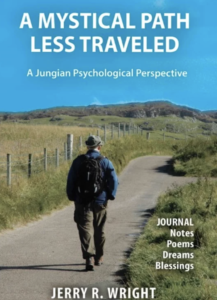
Please share your comments and reaction to Jerry Wright’s lecture, to his book, A Mystical Path Less Traveled, or offer your own personal response to his overall message of Psychological Mysticism as a spiritual journey to our deepest Self.

This Writer’s Corner has been created in an effort to build community, to create a vehicle for dialogue, and to extend and expand our monthly meetings. We encourage you to use it as an opportunity to engage with our community in this reflective space.

[/fusion_text][/fusion_builder_column][/fusion_builder_row][/fusion_builder_container]
Categories
University News

We think with our Hearts: Reading Jung Through Indigenous Eyes

Please post your comments and continue the discussion on this lecture by Jeanne Lacourt.

Jung’s meeting with the people of Taos Pueblo had a tremendous effect on him. It impacted and permeated his life’s work and theory and it influenced how he thought and wrote about “the primitive.” But could he have been mistaken? And what might native people have to say about his ideas of them?


Categories
University News

“When Things Fall Apart: Holding the Center in a Broken World”

[fusion_builder_container hundred_percent=”no” equal_height_columns=”no” hide_on_mobile=”small-visibility,medium-visibility,large-visibility” background_position=”center center” background_repeat=”no-repeat” fade=”no” background_parallax=”none” parallax_speed=”0.3″ video_aspect_ratio=”16:9″ video_loop=”yes” video_mute=”yes” border_style=”solid” type=”flex”][fusion_builder_row][fusion_builder_column type=”1_1″ layout=”1_1″ background_position=”left top” background_color=”” border_color=”” border_style=”solid” border_position=”all” spacing=”yes” background_image=”” background_repeat=”no-repeat” padding_top=”” padding_right=”” padding_bottom=”” padding_left=”” margin_top=”0px” margin_bottom=”0px” class=”” id=”” animation_type=”” animation_speed=”0.3″ animation_direction=”left” hide_on_mobile=”small-visibility,medium-visibility,large-visibility” center_content=”no” last=”true” min_height=”” hover_type=”none” link=”” border_sizes_top=”” border_sizes_bottom=”” border_sizes_left=”” border_sizes_right=”” first=”true”][fusion_text columns=”” column_min_width=”” column_spacing=”” rule_style=”default” rule_size=”” rule_color=”” content_alignment_medium=”” content_alignment_small=”” content_alignment=”” hide_on_mobile=”small-visibility,medium-visibility,large-visibility” sticky_display=”normal,sticky” class=”” id=”” font_size=”” fusion_font_family_text_font=”” fusion_font_variant_text_font=”” line_height=”” letter_spacing=”” text_color=”” animation_type=”” animation_direction=”left” animation_speed=”0.3″ animation_offset=””]

During her recent presentation, Susan Olson asked the question:

“What image of the transcendent function anchors you,
helps you hold your center while in the midst of a storm?”
                                                                                                                                                                                                                                                                                                            Please add your brief thoughts and reflections below. For longer responses and photo contributions
to this soul-provoking question please email info@jungatlanta.com with Writer’s Corner in the subject line.
HHhhhhhkjvbnfkjvblvnldskvndlkvndsvndslkvndslkvndslkvndlsknvldksnvldsknvdslknvdslknvlkvn
[/fusion_text][fusion_gallery layout=”” picture_size=”fixed” columns=”” column_spacing=”0″ gallery_masonry_grid_ratio=”” gallery_masonry_width_double=”” hover_type=”” lightbox=”yes” lightbox_content=”title_and_caption” bordersize=”” bordercolor=”” border_radius=”” hide_on_mobile=”small-visibility,medium-visibility,large-visibility” class=”” id=””][fusion_gallery_image image=”https://jungatlanta.com/wp-content/uploads/2021/03/Jung-Tree.jpg” image_id=”2644|full” link=”” linktarget=”_self” /][fusion_gallery_image image=”https://jungatlanta.com/wp-content/uploads/2021/03/PXL_20210218_151259939-scaled.jpg” image_id=”2647|full” link=”” linktarget=”_self” /][fusion_gallery_image image=”https://jungatlanta.com/wp-content/uploads/2021/03/EndlessVine.png” image_id=”2659″ link=”” linktarget=”_self” /][/fusion_gallery][/fusion_builder_column][/fusion_builder_row][/fusion_builder_container]